FlemingClans.com

"Scotland's Fleming Clan: a Genealogical History" - coming in 2027!
 Patrick Fleming, son of Hugh of Dalnottar
(c1222 - after 1296)
Basic information about this person: \click here\
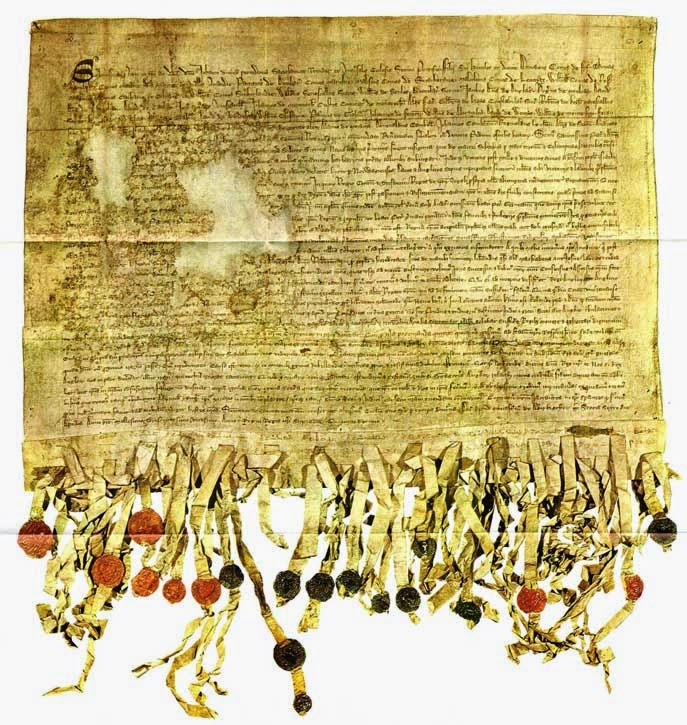
Patrick Fleming, son of Hugh of Dalnottar, appears in only two surviving records more than fifty years apart. The second of these places him among the Scots who were forced to swear allegiance to England’s King Edward I in 1296.
Son of Hugh of Dalnottar
Patrick was born around 1222, a son of Hugh of Dalnottar. He grew up in Lennox at a time when his father was establishing the family as landed knights on the estate of Dalnottar beside the Clyde.
Witness at Eddleston
Patrick’s first known act was to witness, as Patricio Flandrensi, a charter of William de Forz, son of William, Count of Aumale, concerning Eddleston in Peeblesshire. The charter dates from between 1238 and 1240, when Patrick was still a young man. It shows that, like his father and grandfather, he moved in the circle of the great landholders of southern Scotland.
The Ragman Rolls
In 1296 Edward I of England invaded Scotland, defeated the Scots at Dunbar and forced King John Balliol to abdicate. On 28 August 1296, at Berwick-upon-Tweed, Edward required the landholders of Scotland to swear fealty to him and seal written oaths. These records became known as the Ragman Rolls.
Patrick, recorded as Patrik Flemeng, swore fealty alongside other men of Dunbartonshire. By then he was over seventy years old. His son William Fleming, Constable of Dumbarton, swore fealty on the same day.
Legacy
Nothing is known of Patrick after 1296. His importance lies in linking the earliest generations of the family with the generation that fought in the wars of independence. Through his son William, he was the grandfather of Gilbert Fleming of Biggar and the great-grandfather of Malcolm Fleming, 1st Earl of Wigtown.